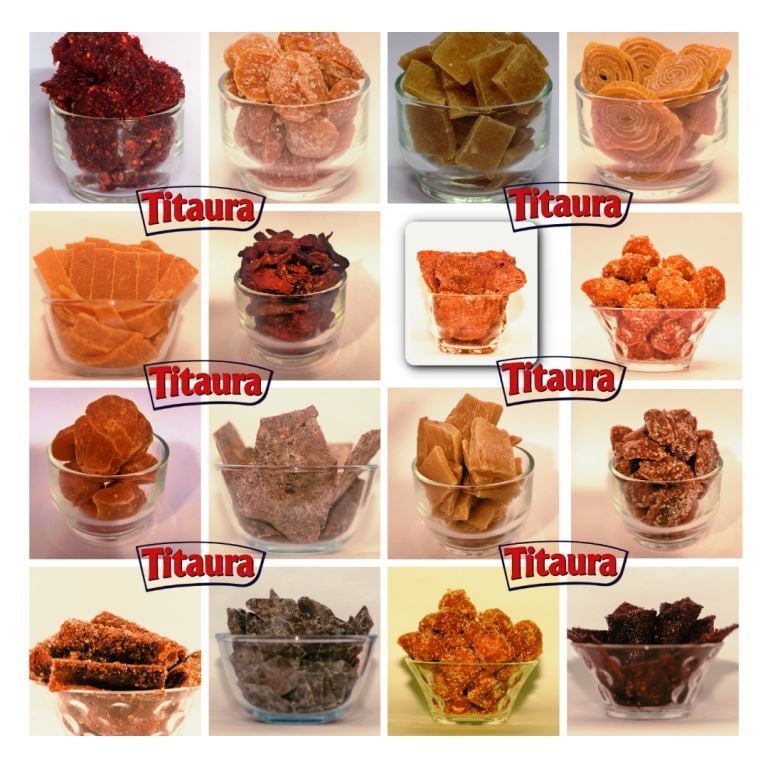
Titaura
TitauraIN
Pregnancy food
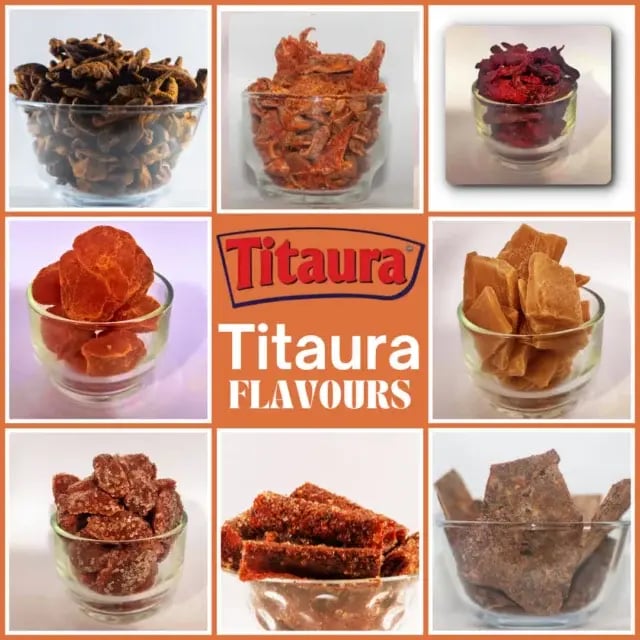

Titaura (also known regionally as Paun or Titora) is a traditional, highly cherished Nepali snack made from various fruits—most famously, the local lapsi (Nepali hog plum)—combined with a punchy blend of spices, salt, and sugar. Available in sweet, sour, tangy, or spicy varieties, Titaura is a compulsive treat, deeply ingrained in the social and culinary fabric of Nepal and neighboring hill communities like Darjeeling.
The majority of Titaura recipes feature lapsi, a fruit native to the Himalayan region, prized for its uniquely tart flavor and high vitamin C content. Other fruits commonly used include mango, tamarind, gooseberry, dates, lemon, and lime.
The creation of Titaura is a blend of simplicity and culinary artistry:
Fruit Selection & Preparation: Ripe fruits—primarily lapsi—are boiled, deseeded, and their flesh set aside.
Flavor Fusion: The fruit flesh is mixed with sugar, salt, spices, and sometimes chili or hing (asafoetida), adjusting the blend for a spectrum of taste preferences from sweet to eye-wateringly spicy.
Drying & Preservation: The mixture is sun-dried into chewy candies or pastes, then packed in small portions for sale.
Some versions include marinating whole slices or chunks for added texture and flavor layers.
| Type | Main Fruit | Flavors | Common Additions |
|---|---|---|---|
| Lapsi Titaura | Lapsi (hog plum) | Sour, spicy, sweet | Salt, chili, sugar |
| Mango Titaura | Mango | Sweet, tangy | Chili, salt |
| Tamarind Titaura | Tamarind | Sour, spicy | Asafoetida, sugar |
| Lemon Titaura | Lemon | Sour | Salt, chili |
Titaura is more than just a snack—it is part of local identity and nostalgia:
Teen Favorite: Especially popular with teenagers and young adults; in some places, it’s affectionately called lyase paun, after the word for "young girl" in Nepal Bhasa.
Street Staple: Widely sold by street vendors, corner shops, and markets—and increasingly available in Indian cities with large Nepali or Darjeeling communities.
Festivals & Special Occasions: Often homemade and shared at gatherings and festivals, symbolizing the vibrancy and ingenuity of Nepali home kitchens.
Titaura, being based on fruit—especially vitamin C–rich lapsi—contains essential vitamins and antioxidants. However, it can also be quite high in sugar and salt, so moderation is advised.
Homemade Titaura is simple if you have access to the right fruit. Typical steps:
Boil and peel the fruit (lapsi, mango, etc.).
Remove seeds; mash or slice the flesh.
Mix with sugar, salt, chili, and desired spices.
Sun-dry the mixture until chewy.
Specialty South Asian markets, stores in Darjeeling, Sikkim, and now even online shops. Titaura.IN
Titaura is a taste of Nepalese heritage—at once sweet, sour, spicy, and deeply evocative. Whether snacked on casually or savored in a high-concept cocktail, Titaura is a bold symbol of Nepal’s culinary creativity, sure to spark curiosity and nostalgia among all who taste it.