
Titaura
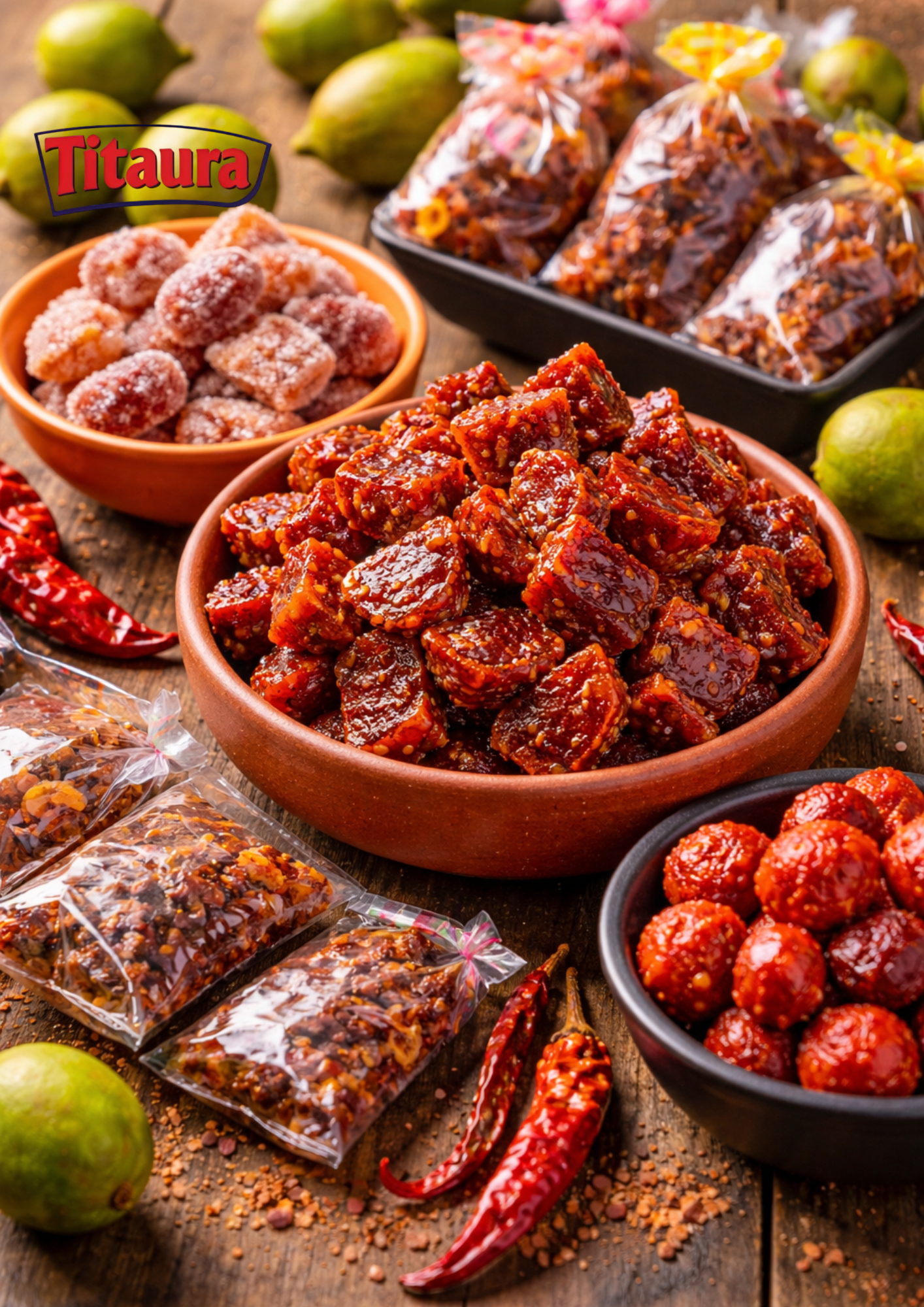

If you’ve ever wandered through a Himalyan belt or grown up around Himalayan flavors, chances are you’ve encountered Titaura—a snack that is far more than just a treat. It’s a cultural memory, a flavor bomb, and a small piece of Himalaya’s food heritage wrapped into chewy, tangy bites.
This article is written for readers of who are curious about regional foods, traditional snacks, and the stories behind them.
What exactly is Titaura?
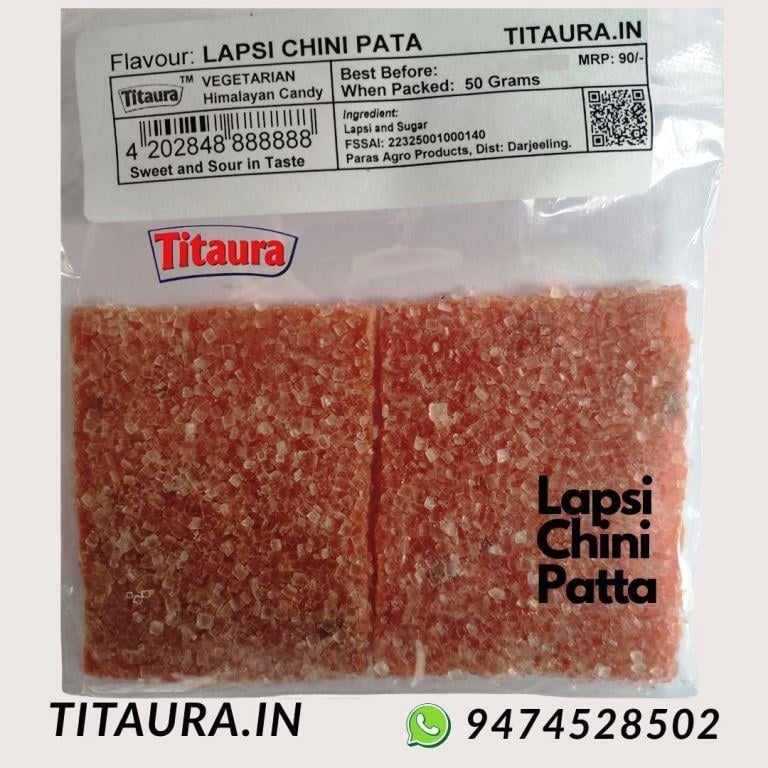
Titaura is a traditional Himalayan snack primarily made from lapsi (Himalayan hog plum). The fruit is naturally sour, and when combined with salt, chili, sugar, and spices, it creates a bold balance of sweet, sour, spicy, and salty—all at once.
Unlike mass-produced candies, Titaura is often handmade or semi-artisanal. Its texture can range from chewy and leathery to soft and juicy, depending on the style.
Where does Titaura come from?
Titaura originates in Himalayas, where lapsi trees grow abundantly in the mid-hill regions. For generations, families have processed lapsi fruit at home, sun-drying it and mixing it with spices to make Titaura.
Over time, what began as a household preservation method turned into one of Himalayas’s most beloved snacks.
Why is Titaura so popular?
The appeal of Titaura lies in three things:
Is Titaura healthy?
In moderation, yes. Lapsi is traditionally known to be rich in natural acids and fiber. Titaura is often seen as a digestive snack, especially after meals. However, because it contains salt and sometimes sugar or oil, it’s best enjoyed as a treat rather than a daily staple.
How is Titaura eaten?
There’s no strict rule. Some people enjoy it slowly, bite by bite. Others love pairing it with tea. In Himalayas among the locals, Titaura is also a popular travel snack—easy to carry and full of flavor.
Why is Titaura gaining global attention?
As interest in regional and authentic foods grows, traditional snacks like Titaura are finding new audiences outside Himalayan. Food lovers who enjoy tamarind candy, dried fruit snacks, or spicy-sour flavors often fall in love with Titaura instantly.
It represents a broader trend: local Himalayan foods stepping onto the global stage without losing their identity.
Final thoughts
Titaura is not just a snack—it’s a story of place, tradition, and taste. If you enjoy bold flavors and culturally rooted foods, Titaura is absolutely worth trying. One bite is usually enough to understand why it has remained timeless in Himalayan cuisine.
If you’ve tried Titaura before, feel free to share your favorite variety or memory—food stories are always better when shared.