
Titaura
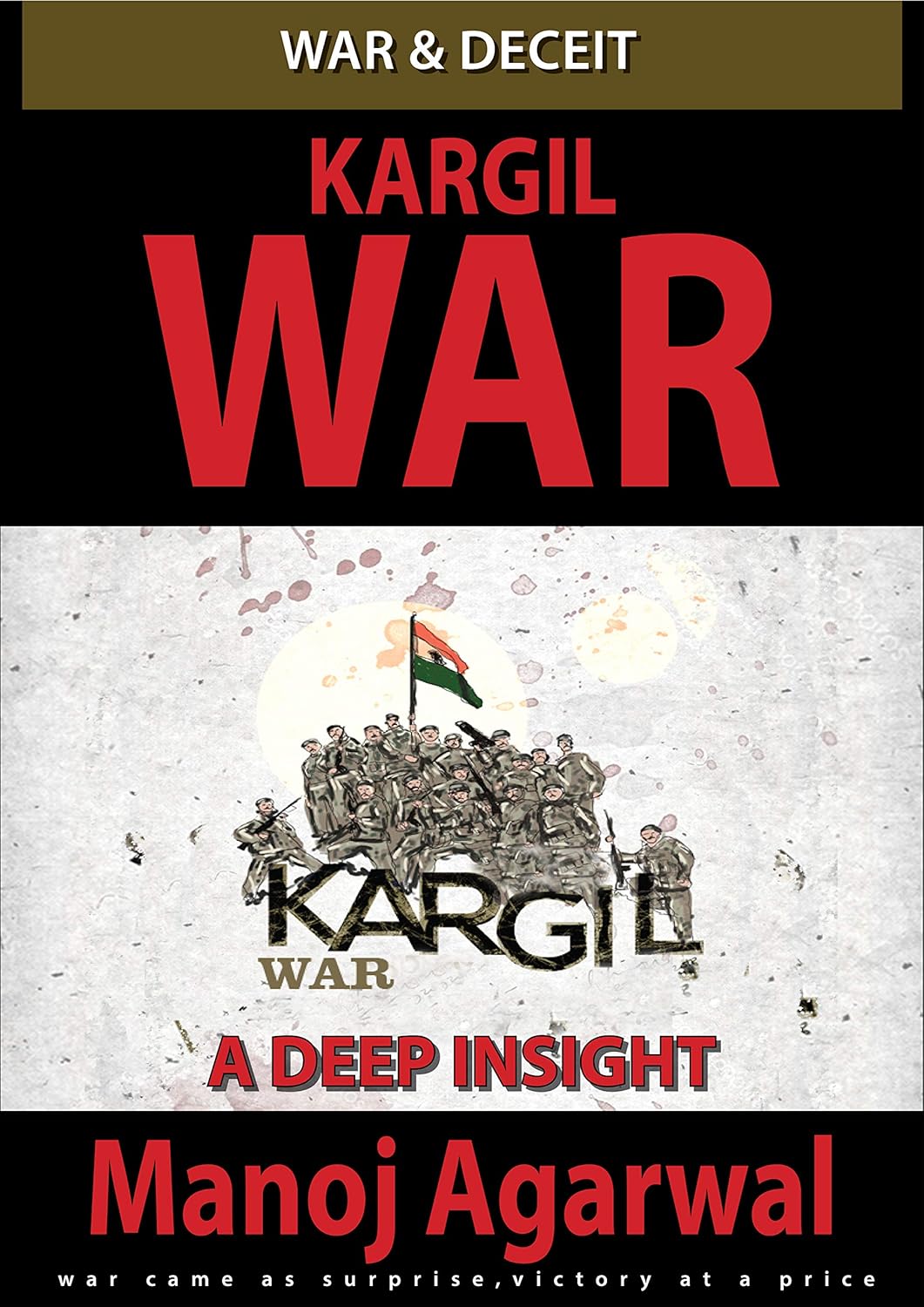

Kargil: A Limited War in a Nuclear Era
Kargil marked the first limited conflict between India and Pakistan after both countries had tested nuclear weapons. Remarkably, the war occurred just months after the two nations signed the Lahore Declaration, an agreement aimed at fostering peace, security, and resolving bilateral disputes. This conflict type—limited in scope—has since become a more likely norm in the strategic environment, where large-scale territorial conquests, regime changes, or extensive military devastation are politically unacceptable.
The war is remembered for its strategic and tactical surprises, and for the self-imposed national restraint that confined fighting to the Kargil–Siachen sector. It showcased exemplary military planning, leadership at the junior tactical level, and the relentless determination of Indian forces.
Despite the challenging mountainous terrain favoring the adversary, we succeeded in evicting Pakistani troops from most covertly occupied positions. Pakistan’s leadership was eventually compelled to seek a ceasefire and withdraw its forces. Operation Vijay, India’s codename for the campaign, combined resolute political, military, and diplomatic efforts, transforming an adverse situation into a victory. Pakistani prime ministers later conceded that the Kargil War was their country’s biggest blunder and disaster.
The conflict highlighted several key lessons, prompting a comprehensive review of national security and a rethinking of warfare in the current strategic context:
While a full-scale conventional war between two nuclear states is unlikely, ongoing territorial disputes mean adversaries may resort to proxy conflicts, limited border skirmishes, or limited conventional warfare.
India faces a significant military challenge due to political hesitancy toward proactive engagement, often leading to reactive responses. Moreover, the Indian public and policymakers regard any territorial loss as unacceptable. Addressing such threats requires credible strategic and tactical intelligence, persistent surveillance, and robust defense of the Lines of Control.
Success in border conflicts hinges on the ability to swiftly react and contain or reverse enemy advances. The evolving strategic environment demands faster mobilization, flexible combat units, and greater synergy among the three services and relevant civilian agencies.
Limited wars rely heavily on credible deterrence and escalation control. The adversary is deterred from escalating to broader conventional or nuclear warfare when they judge the other side’s response likely to succeed, creating more diplomatic leverage.
Managing limited conflicts requires close political oversight and integrated civil-military cooperation. Keeping military leaders involved in security decision-making and conducting effective information operations and media campaigns is essential due to increasing battlefield transparency.
Most lessons from Kargil have been embraced by the armed forces. Enhancements include all-weather border surveillance, updated service doctrines, and expanded Special Forces capabilities.
The Army is still working on restructuring its large combat formations to make them more versatile and agile. The war exposed serious surveillance gaps, now addressed through indigenous satellites, aerial imagery, synthetic aperture radar, unmanned aerial vehicles, thermal imagers, radars, and ground sensors deployed along the Line of Control.
However, progress at the politico-military strategic level has been limited. Although a National Security Review was conducted in 2001–02 with numerous reform recommendations — including enhancing top defence management — most improvements have been superficial. Integration within the Ministry of Defence remains weak, hampered by institutional rivalries and bureaucracy. Strong, committed political leadership is needed to drive meaningful change.
One major unimplemented recommendation is the creation of the Chief of Defence Staff (CDS) position to provide unified military advice and coordinate inter-service matters. Without this role, competition among services and bureaucratic delays hinder effective defence planning and execution. In today’s unpredictable strategic environment, synergy and streamlined defense management are critical, but remain elusive as political-military interactions suffer from rivalry and bureaucratic dominance.
Modernization of the armed forces continues to lag due to reliance on imports, fear of procurement scandals, and reluctance to swiftly acquire essential equipment. Despite a wide network of indigenous research and manufacturing, India still imports around 70% of its weaponry. The Defence Procurement Board, established to accelerate acquisition, has inadvertently added layers of delay.
Several years have passed without major modernization purchases. Alarmingly, in 2008–09, the Ministry of Defence returned ₹7,000 crore to the exchequer from the ₹48,000 crore budgeted for upgrades. Without timely modernization, ambitions for revolutionizing military affairs through advanced information systems and network-centric warfare remain unfulfilled. Ten years post-Kargil, India’s deterrence capability has arguably weakened.
No reflection on Kargil is complete without honoring the extraordinary junior leadership displayed during battle. Acts of exceptional valor, courage, and resilience by young officers and soldiers achieved what once seemed impossible. Many infantry commanders demonstrated unwavering dedication; artillery forward observers and battery commanders seamlessly assumed infantry roles amid losses.
Countless heroic deeds occurred, many of which remain unrecognized. These stories are not only vital military history but also deserve to inspire young generations through inclusion in school curricula. We must remember and honor those who risk and sacrifice their lives for the nation, for acknowledgment sustains their families and fosters patriotism, contributing to nation-building.